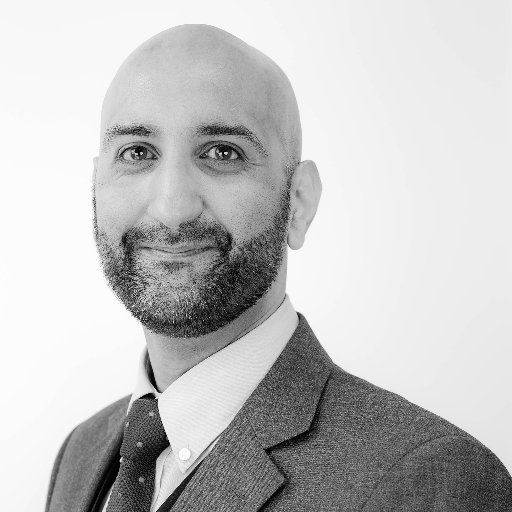
I research how inequality is lived, felt, and written onto the body in post-industrial Britain. My work explores poverty, race, and oral health as interconnected forms of structural injustice. The mouth is a biography of inequality, its condition a testament to the lives of communities too often excluded from the narratives that shape their world.
Poverty · Race · Health Inequalities
Post-Industrial Northern England
"Research must not only understand the world — it must transform it, by working alongside communities to produce knowledge that is accountable, critical, and liberatory."
I'm a qualitative researcher, writer, and community activist dedicated to tackling structural inequalities through research, action, and collaborative change. My work is grounded in lived experience and a strong commitment to racial and social justice.
My research explores how poverty, racialisation, and marginalisation shape everyday life, with a particular focus on minoritised ethnic communities in northern England; children's oral health inequalities; the ways minoritised communities' experience and use public space; and post-colonial politics in the South Pacific, especially Fiji.
I am a Research Associate at the Global Race Centre for Equality (GRACE) at the University of Lancashire, where I focus on co-producing research with communities using decolonised and participatory methodologies.
Beyond academia, I spent several years working in international development. I also served as Operations Manager for a regional infrastructure organisation, where I established a free bilingual counselling service and co-founded a race equity body that worked with public sector organisations. In additon I have acted as a race equality advisor to several national bodies, and served as a trustee for a number of organisations. Between 2020 and 2025, I secured over £2.6 million in funding for grassroots and regional projects across Lancashire.
My research is grounded in a multidisciplinary approach, drawing on the Capabilities Approach and Interpretative Phenomenological Analysis (IPA) to foreground the lived realities of communities in post-industrial northern England and beyond.
Exploring the everyday experience of poverty in post-industrial settings through the lens of Amartya Sen's Capabilities Approach.
Examining the intersection of poverty and oral health outcomes, and the systemic barriers that entrench health inequality across generations.
Investigating how minoritised ethnic communities assert presence and identity in UK settings and post-colonial Pacific contexts.
My methodological approach is rooted in a belief that communities are experts in their own lives. I employ decolonised and participatory frameworks that centre community knowledge, challenging extractive research traditions that take from communities without returning meaningful benefit.
I draw on phenomenological, ethnographic, and capabilities-based traditions, combining rigorous academic inquiry with activism and community accountability, producing research that is both intellectually credible and practically transformative.
"At the core of my work is a commitment to bridging the gap between academic research, public policy, and everyday community life — ensuring that insights lead to meaningful, practical change."
— Jonathon Prasad
From community-led fieldwork to conference presentations and policy advocacy, this work spans UK post-industrial towns to the South Pacific, always oriented toward justice and transformation.
This primary research project explores the everyday lived experience of poverty amongst minoritised ethnic communities in a post-industrial town in Lancashire. Grounded in the Capabilities Approach and using Interpretative Phenomenological Analysis, the study foregrounds the voices of individuals navigating structural disadvantage, examining how poverty intersects with race, identity, and place to shape life outcomes across generations.
The research adopts a participatory framework, ensuring community members are not simply research subjects but active co-investigators in identifying questions and producing knowledge.
Examining how poverty shapes oral health outcomes in children from minoritised communities, with implications for NHS public health strategy
Ongoing Funded ResearchStudying how minoritised ethnic communities create space and assert cultural visibility in urban and rural settings across northern England
Ongoing Funded ResearchField research examining the legacies of colonialism, ethnic identity, and political power in Fijian society and wider Pacific communities
Ongoing ResearchI welcome enquiries from researchers, journalists, community organisations, funders, and public sector bodies. Whether you're interested in collaboration, speaking engagements, or media comment, I'd be glad to hear from you.